
Guide · Mobile Ceramic Coating
Ceramic Coating for Cars That Park Outside
By Trent Sloan, Illustrious Mobile Detailing · Written from how we actually do the work in Charleston, SC.
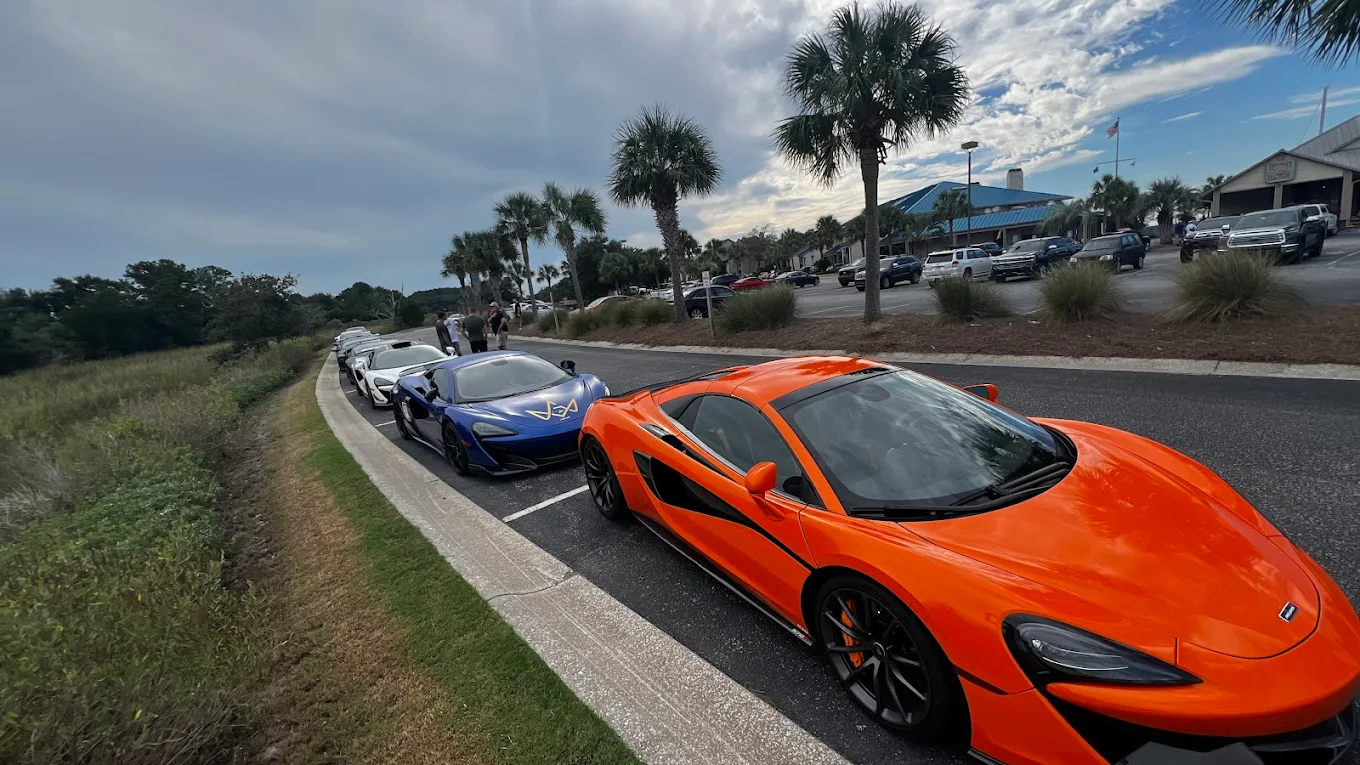
Cars that park outside are the strongest candidates for ceramic coating, because coating is the only protection that matches the exposure: continuous UV, nightly salt film, pollen seasons, tree sap and sprinkler minerals, with no garage to interrupt any of it. A coating gives an outside car a multi-year sacrificial layer that resists all of it better than wax or sealant, and - just as valuable - makes the frequent rinses an outside car needs dramatically easier. The guide below covers the case, the lifespan reality for outside cars, and how coating compares with the sealant-plan alternative for driveway life.
Key Takeaways
- Outside cars face the full ledger, nightly, with no roof
- Coating is the garage’s job, done chemically, for years
- Outside lifespan: ~3–5 years of strong behavior
- Plan rhythm is the honest alternative - or combine both
The exposure an outside car actually faces
Tally a Lowcountry year for a driveway car. UV: the full solar load, every clear day, oxidizing anything unprotected. Salt: a film deposited nightly near the water, holding moisture on every panel. Pollen: two seasons of bonding crust. Trees, if overhead: sap, bird lime, tannin stains. Lovebugs in season, road film year-round, irrigation minerals on the sprinkler side. And thermal cycling - July panels hot enough to bake each contaminant harder. A garage erases most of this nightly. An outside car’s protection has to do the garage’s job chemically, which is precisely the design brief of a ceramic coating: a hard, UV-stable, hydrophobic layer that takes the exposure so the clear coat does not.
Lifespan reality for outside cars
Coatings on outside daily drivers in Charleston deliver roughly three to five years of strong behavior with ordinary care - the lower half of the garaged range, for obvious reasons: the exposure never pauses. The fade is gradual and top-first: roof and hood behavior tires before the doors. What matters is that throughout those years, the wear lands on the coating. Compare the twin experiment: two identical cars, one coated, one on wax-when-remembered - at year four the coated car needs a refresh; the other needs paint correction to recover what UV took, if it can be recovered. That asymmetry is the whole argument for coating the outside car first, before the garage car.
Coating vs the sealant plan for outside cars
The honest alternative is rhythm: our Premium Maintenance Plan renews a 6-month sealant and details the car on schedule - continuous protection, professionally maintained, at $149.99–$174.99 a month. Versus coating: one installation (quoted per vehicle) plus your own gentle washes. The plan wins if you also value the regular interior details and zero personal effort. Coating wins on per-year protection cost over a long ownership and on wash effort. Many outside-car owners combine them - coating installed, plan maintaining - which is the maximum-protection, minimum-effort configuration. The inspection conversation runs your car, your parking and your horizon, and prices both paths plainly.
Maximizing an outside car’s coating
A few habits compound the coating’s work. Park smart when choice exists: out of the sprinkler arc, away from the oak’s drip line, in the shade side of the lot. Rinse after beach weekends and in pollen peaks - the coating makes this a five-minute hose job instead of a wash. Keep bird lime and sap spots from baking: a wet microfiber lift the same day. And schedule the periodic professional decontamination: mineral and iron buildup masks coating behavior on outside cars faster than garaged ones, and clearing it restores the beading owners think they lost. Outside life is hard on cars; a coated, rinsed, occasionally decontaminated outside car simply opts out of most of it.
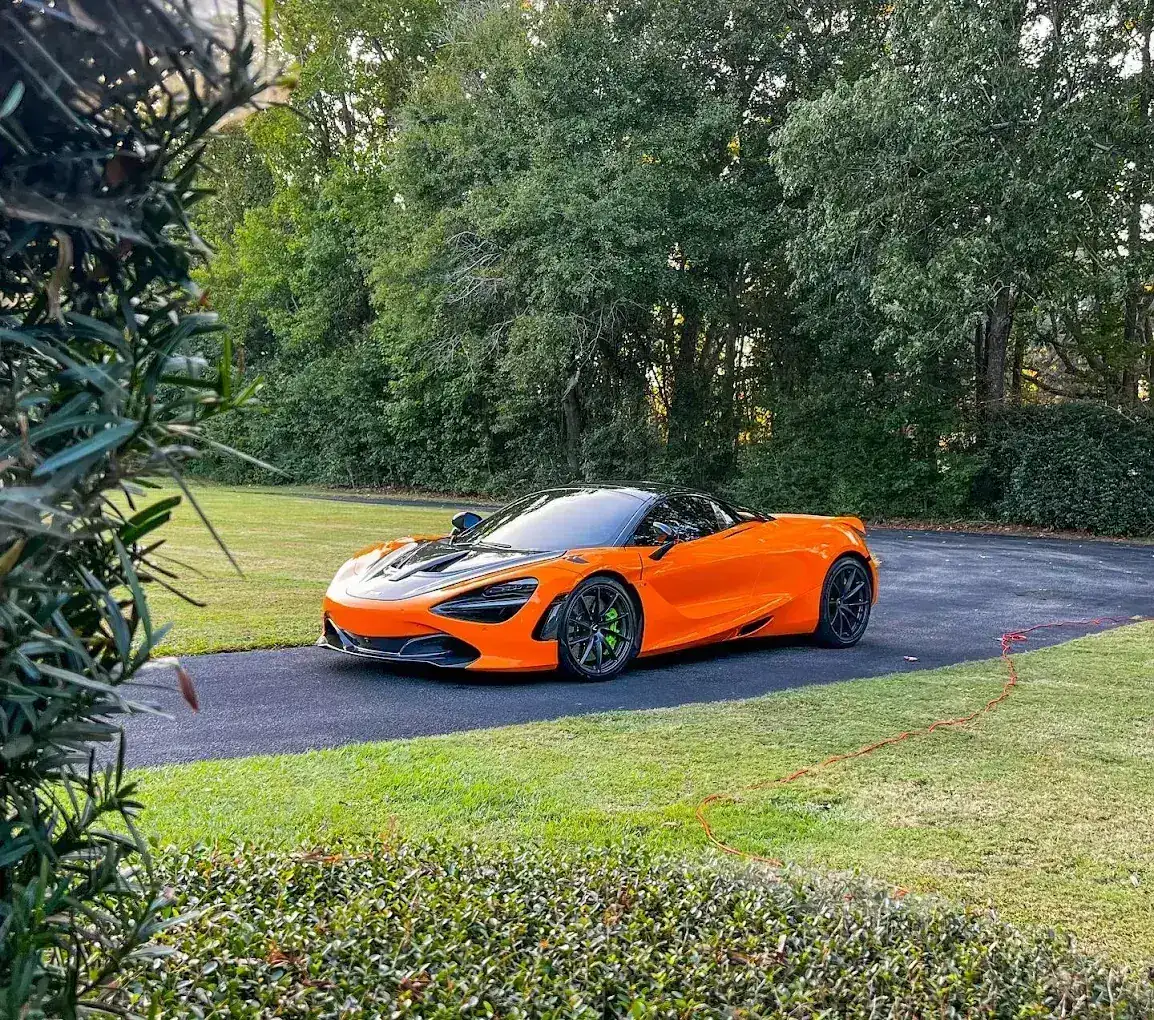
This guide is part of our mobile ceramic coating series. If your car is due, we bring this exact process to your driveway anywhere in our service areas - including Sullivan's Island - with published package prices and a walk-around before we leave.
One last Charleston note: coating decisions in Sullivan's Island are really parking decisions. A car that sleeps in a garage can afford almost any protection strategy; a car that lives outside under Lowcountry sun and salt air cannot afford a weak one. If this guide matched your car’s life, the free inspection is the correct next step - twenty minutes at your home, your paint under proper light, and a written quote with the reasoning attached. No pressure either way: if a sealant rhythm serves you better, that is what we will recommend.
Keep Reading
Related guides & the service
FAQs
Questions This Guide Answers
Is coating worth it if my car is already a few years old?
Yes, if the paint is sound or correctable - the enhancement stage restores the finish first, then the coating preserves it. Age is not the barrier; failed clear coat is, and the inspection identifies it.
Will coating stop the pollen crust?
It stops the welding: pollen still lands, but on the coating it releases with a rinse instead of bonding to paint. Spring becomes a rinsing season instead of a scrubbing one.
My car sits under an oak. Still worth coating?
Especially worth it - sap and lime land on the sacrificial layer and release far more easily. Pair it with prompt spot-lifting and the oak becomes a nuisance, not a paint sentence.
Ready when you are
Tell us the car and where it will be - we’ll confirm your slot and bring everything with us, water and power included.