
Guide · Exterior Detailing
Headlight Restoration: Clear Again, Safely
By Trent Sloan, Illustrious Mobile Detailing · Written from how we actually do the work in Charleston, SC.
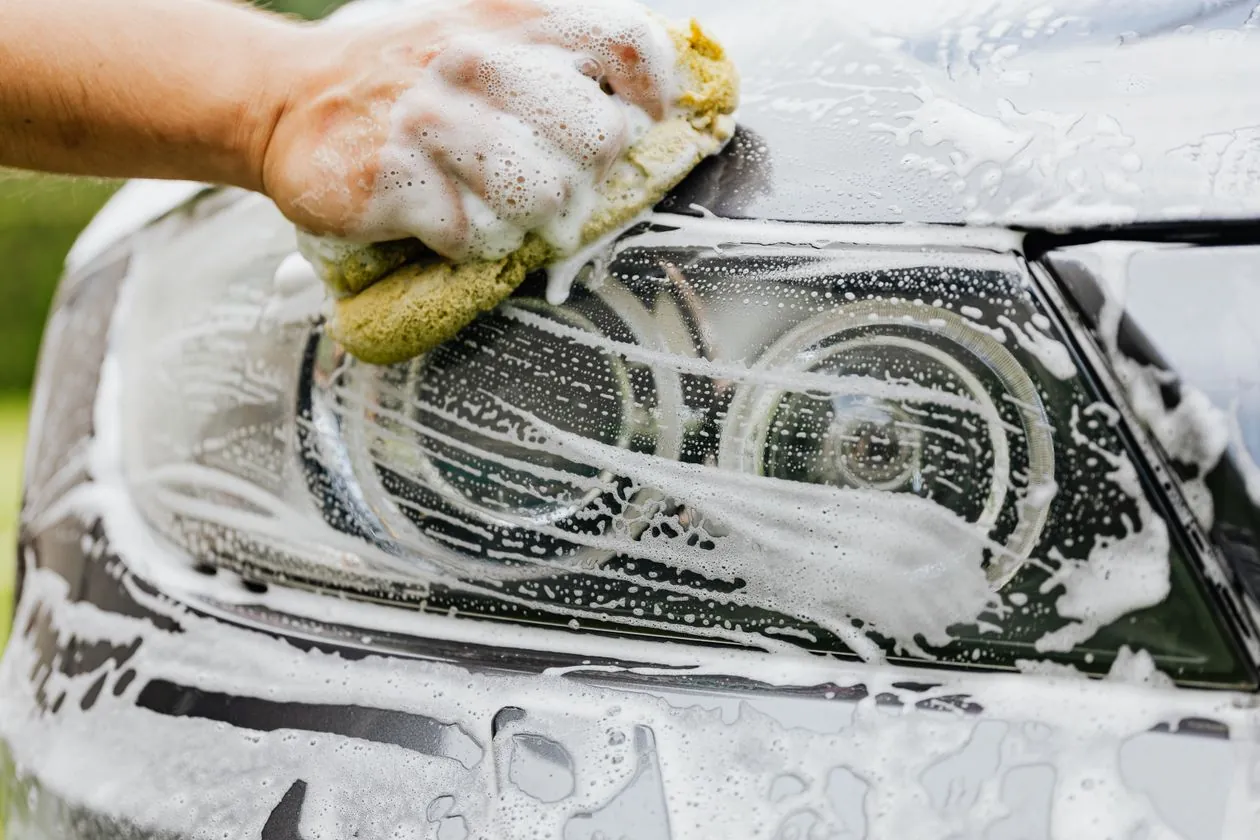
Cloudy headlights are oxidized polycarbonate: UV degrades the lens’s factory coating until it yellows and hazes, cutting light output and aging the whole front of the car. Restoration removes the oxidized layer by wet-sanding and polishing, then - the step that decides whether it lasts - seals the lens with a UV-protective coating. Toothpaste and bug spray are internet folklore that polish for a week; a proper restoration, protected afterward, lasts years. In South Carolina’s sun, headlights on outside cars typically need attention every few years, and it is one of the highest-impact cosmetic fixes per dollar there is.
Key Takeaways
- Cloudiness is failed UV coating + oxidized plastic
- Real restoration: sand, polish, then re-coat with UV protection
- Toothpaste and bug spray are folklore with a comeback date
- Dim headlights are a safety issue, not just cosmetics
Why lenses cloud
Modern headlight lenses are polycarbonate plastic with a thin factory UV coating. South Carolina sun attacks that coating relentlessly - it is the same UV story as dashboards and clear coat, on the car’s most exposed vertical surface. Once the coating fails in patches, the exposed plastic oxidizes: first a haze, then yellowing, then a chalky crust in advanced cases. The inside of the lens is almost never the problem (condensation inside is a seal failure - a different repair). Light output falls off well before the lens looks terrible, which makes this a safety item wearing a cosmetic costume: dim, scattered beams at night on unlit Lowcountry roads are a real hazard.
The restoration process
Proper restoration is controlled abrasion. The lens is masked off to protect surrounding paint - a step amateurs skip and regret. Wet-sanding progresses through grits, removing the oxidized layer and the failed coating evenly. Machine polishing then restores optical clarity, refining the sanding marks to transparency. Finally, and critically, a UV-protective coating is applied to replace the factory layer that failed; without it, bare polycarbonate re-oxidizes in months under our sun. The full process per pair typically takes one to two hours and is often added to a detail visit - ask us to assess your lenses at booking, and we will tell you honestly whether restoration or replacement is the right spend.
What does not work, and why it keeps circulating
Toothpaste is a mild abrasive - it can polish the surface film slightly, so a lens looks better for days, which generates the videos. It does not remove the oxidized layer or add UV protection, so the cloud returns within weeks. Bug spray contains solvents that temporarily melt the surface smooth - and attack the plastic, guaranteeing worse damage later. Cheap wipe-on kits vary: the honest ones are essentially light polish plus a thin sealant, fine for mild haze, useless for advanced oxidation. The pattern to recognize: anything without an abrasion stage and a real UV coating stage is a cosmetic pause, not a restoration.
Keeping lenses clear afterward
The restored lens’s enemy list is the usual Lowcountry one: UV first, then grit and brush washes. Protection habits: keep the car’s sealant or coating renewed (lenses can be included in the protection pass), wash lenses with the paint mitt rather than anything abrasive, and park out of direct afternoon sun when there is a choice. If your car lives outside, ask about lens protection when you book paint work - coating the lenses alongside the paint is efficient and extends the restoration’s life toward the multi-year end of the range.
This guide is part of our exterior detailing series. If your car is due, we bring this exact process to your driveway anywhere in our service areas - including Goose Creek - with published package prices and a walk-around before we leave.
One last Charleston note: exterior damage in Goose Creek is almost never an event - it is an accumulation. Salt films, pollen crusts and sap spots each add a layer, and the paint declines quietly until a wash stops making it look clean. That is the signal this guide is about: when washing stops working, decontamination and protection are due. Booked on rhythm, an exterior detail keeps every layer thin and removable; booked late, the same work becomes restoration. The rinse habits in this guide carry the weeks between.
Keep Reading
Related guides & the service
FAQs
Questions This Guide Answers
Can you restore severely yellowed lenses?
Usually to a remarkable degree - heavy oxidation needs more sanding stages, and we assess first. Lenses with internal damage, cracks or moisture inside are replacement cases, and we will say so.
How long does a restoration last?
With a proper UV coating applied, years - comparable to the original coating’s life. Without the coating step, months. The coating is the restoration; the polishing is just the preparation for it.
Is headlight restoration part of a detail?
It is an add-on service rather than a package step. Ask at booking and we will assess and price your lenses honestly alongside your detail.
Ready when you are
Tell us the car and where it will be - we’ll confirm your slot and bring everything with us, water and power included.