
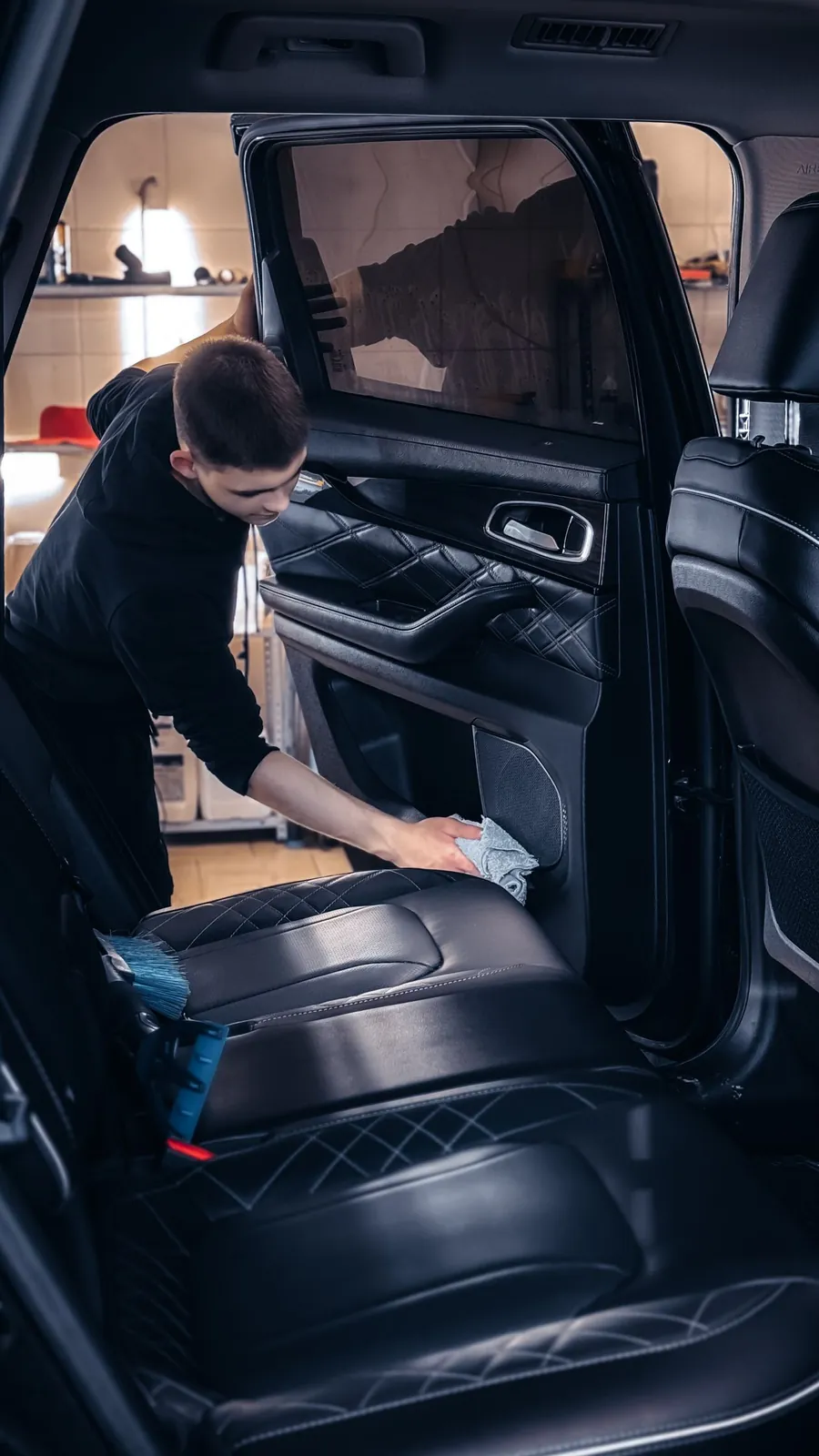
Guide · Interior Detailing
Interior Detailing for Allergies and Asthma
By Trent Sloan, Illustrious Mobile Detailing · Written from how we actually do the work in Charleston, SC.
For allergy and asthma sufferers, a car interior is a concentrated exposure chamber: pollen, dust mite debris, pet dander and mold traces accumulate in carpets, seats and - critically - the ventilation system that blows air over you. A proper interior detail is an allergen intervention: extraction removes the reservoir load from fabrics, steam disinfects the vents and touch points, and the cabin air path gets cleaned rather than perfumed. Fragrance-heavy "details" do the opposite of helping. The guide below explains where allergens live in a car, what the cleaning sequence does about each, and how to keep the cabin low-allergen between details.
Key Takeaways
- Allergens live in fabrics (reservoir) and vents (distributor)
- Extraction removes the load; steam disinfects the air path
- No fragrances - neutralization, not perfume
- Best timing: right after the spring pollen peak
Where allergens live in your car
Fabrics are the reservoir: carpets, cloth seats and the headliner trap pollen grains, dust and dander deep in their fibers, releasing them with every sit and bump. The HVAC system is the distributor: pollen and dust load onto the evaporator and into the vents during Charleston’s long pollen season, then blow directly into the cabin’s breathing zone. Leather and vinyl hold less, but their seams and stitching collect debris. And the trunk matters too - beach gear, sports equipment and dog blankets store their loads there and share the same air. A car can be visibly clean and still be an allergen box, because the load is microscopic and buried.
What the detail does about each reservoir
Extraction is the headline: hot-water flushing physically removes pollen, dander and dust load from carpets and seats - the material leaves the car in the waste water. Steam then handles the distribution system: vents are steam-cleaned blade by blade, disinfecting and clearing the accumulated film, and touch points are sanitized without fragrance chemicals. The cabin air filter is the mechanical partner - we will flag it if it is loaded, since a saturated filter re-seeds the system; replacing it (a quick, cheap job) completes the intervention. No scent bombs, no fragrance trees: our odor treatment neutralizes rather than perfumes, which is precisely what sensitive airways need.
Timing it for Charleston’s pollen calendar
The Lowcountry pollen season peaks in spring - the yellow weeks when every car wears a coat of pine and oak pollen. The smart allergy rhythm: detail at the end of the peak, when the season’s load is in the car and the air is clearing, so the reset lasts. A second detail in fall handles the ragweed and the summer’s accumulated dust. During peak weeks, keep windows up and run the AC on recirculate in heavy pollen areas, and rinse the car’s exterior (pollen on the cowl feeds the intake) rather than dry-wiping it. Garage parking during the peak, when possible, cuts the load dramatically.
Keeping the cabin low-allergen
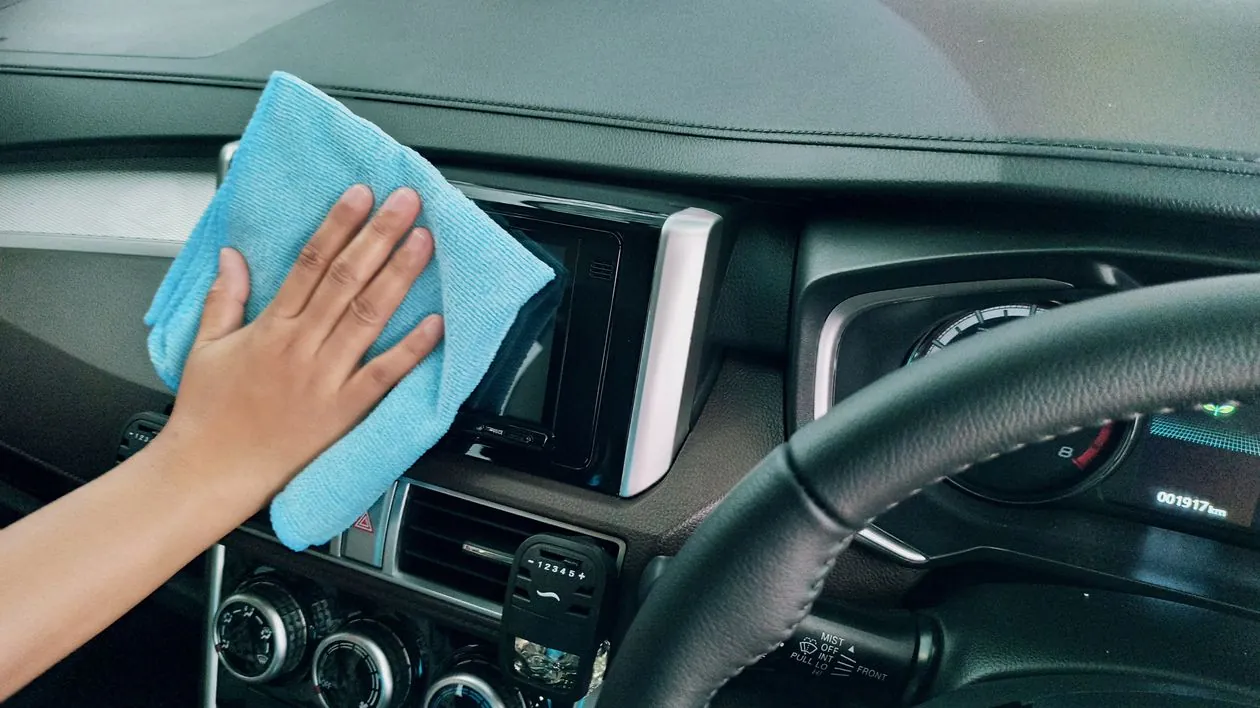
Between details: vacuum with a HEPA-filter machine if you have one, weekly during pollen season; wipe hard surfaces with a damp microfiber (dry dusting just relocates particles into the air); keep pet blankets and sports gear in sealed bins in the trunk; and change the cabin air filter on schedule - it is the cheapest allergy part on the car. If a family member has diagnosed asthma, tell us when you book: we can emphasize the vent and extraction work, avoid optional fragranced products entirely, and ventilate the car thoroughly before you collect it.
This guide is part of our interior detailing series. If your car is due, we bring this exact process to your driveway anywhere in our service areas - including Isle of Palms - with published package prices and a walk-around before we leave.
One last Charleston note: interiors in Isle of Palms rarely fail all at once - they decline a beach trip, a school run and a humid week at a time, until one day the cabin simply feels old. An interior detail on rhythm interrupts that slide while it is still cheap and gentle to reverse. If this guide described your seats, your carpets or your vents, the reset is a single visit: we bring the extraction and steam to your driveway, and the car smells like a car again by the time we leave.
Keep Reading
Related guides & the service
FAQs
Questions This Guide Answers
Will a detail really help my allergies?
It removes the accumulated reservoir - pollen, dander and dust - from the fabrics and vents, which is the exposure you control. Most allergy customers report a clear difference in the car afterward; it complements, not replaces, medical advice.
Do you use scented products?
Our odor treatment neutralizes rather than perfumes, and we can run an entirely fragrance-free interior process on request - just tell us when booking.
What about the cabin air filter?
A loaded filter re-seeds the vents we just cleaned. We will flag its condition; replacement is inexpensive and makes the detail’s benefit last. Ask us to check it at your visit.
Ready when you are
Tell us the car and where it will be - we’ll confirm your slot and bring everything with us, water and power included.