
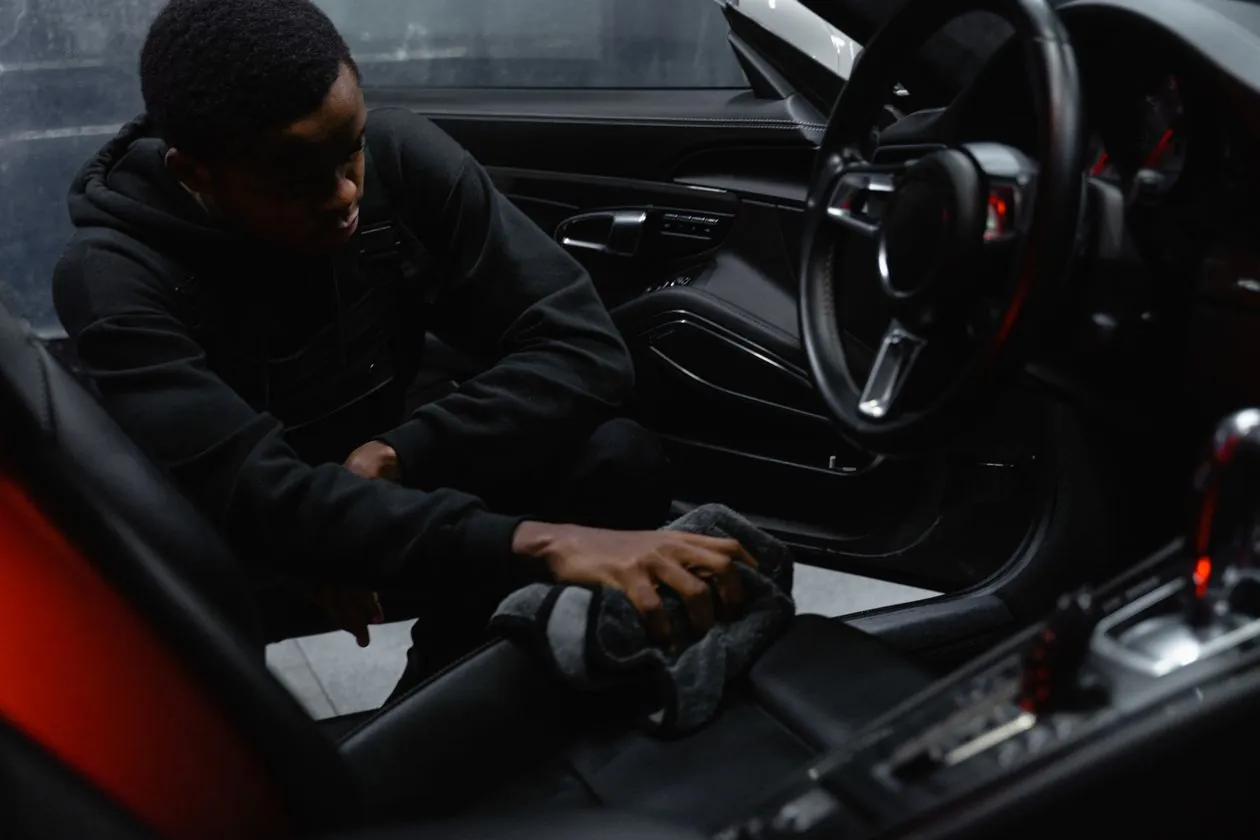
Guide · Mobile Car Detailing
Removing Beach Sand from Your Interior (The Charleston Problem)
By Trent Sloan, Illustrious Mobile Detailing · Written from how we actually do the work in Charleston, SC.
Beach sand leaves a car interior in exactly one reliable way: extraction. Vacuuming removes the surface layer, but sand is heavy, angular and abrasive - it sinks to the carpet backing, hides in seat rails and seams, and grinds there for months, wearing fibers and mechanisms. A professional interior detail combines a deep, crevice-by-crevice vacuum with hot-water extraction that flushes sand out of the pile. At home, the winning habits are prevention and rhythm: shake everything at the beach, mats out weekly, and never let a summer of Folly trips accumulate into a single gritty excavation.
Key Takeaways
- Sand is abrasive - it wears carpet and seat rails, not just looks dirty
- Vacuums take the surface; extraction takes the pile
- Prevention at the beach lot beats removal at home
- Season-end extraction is the Charleston ritual that works
Why sand is worse than dirt
Ordinary dirt is mostly soft organic matter. Sand is crushed quartz - literally an abrasive. Every time you slide into the seat or shift your feet, the grains in the carpet work like fine sandpaper against the fibers and the backing, and the grains in seat rails score the metal and foul the mechanisms. Sand also migrates: from mats to carpet edges, from shoes to pedals, from beach bags to the cargo floor. And Lowcountry sand arrives with salt, which holds moisture against everything it touches. A sandy interior is not just untidy; it is a slow mechanical and cosmetic injury to the car.
The professional removal process
We start dry and thorough: mats out and beaten, a full vacuum with crevice tools worked along seat rails, seams, seat-back pockets and the spare-tire well - the places sand settles and home vacuums skip. Compressed air blows grains out of seams and switchgear where brushes cannot reach. Then extraction: hot water and shampoo flush the pile, and the sand suspended in the fibers - the fraction vacuuming cannot lift because it sits below the surface - comes out with the water. On a true beach car, the extractor’s waste water runs gritty; that is the sand that was never coming out any other way.
The at-the-beach routine that prevents most of it
Ninety percent of interior sand is preventable in the parking lot. Shake towels, bags and shoes before they go in the car - twenty seconds, most of the load gone. Keep a small brush by the door for feet and paws. Use a dedicated beach tote that lives in the cargo area, not on the seats. Rinse swimsuits’ sand off kids at the shower station when there is one. And put the windows up at the beach lot on windy days: blowing sand enters a parked car astonishingly fast at Folly and IOP.
The home rhythm, and when to call us
At home: mats out and shaken weekly in beach season, a quick vacuum of the footwells every couple of weeks, and a cargo liner if the beach is a weekly habit - liners turn a sand problem into a shake-out. Call a professional when you can hear grit crunching underfoot after vacuuming, when seat rails feel gritty, or at season’s end regardless: an extraction detail in September removes the summer before it grinds all winter. Our Standard Interior Detail ($174.99–$249.99) is built for exactly this car, and James Island and Folly regulars book it like clockwork.
This guide is part of our mobile car detailing series. If your car is due, we bring this exact process to your driveway anywhere in our service areas - including Isle of Palms - with published package prices and a walk-around before we leave.
One last Charleston note: the right time for a detail is before the season changes, not after the damage shows. Spring pollen, summer beach traffic and fall lovebugs each load the car differently in Isle of Palms, and a detail booked ahead of the season protects the car through it. Our routes fill fastest at exactly those moments, so if this guide described your car, booking a few days ahead is the smart move - the unit comes to you, and the whole thing takes less of your day than reading about it did.
Keep Reading
Related guides & the service

FAQs
Questions This Guide Answers
Why is there still sand after I vacuum thoroughly?
Because the deep fraction sits below the pile surface, beyond a vacuum’s airflow. Extraction suspends it in water and pulls it out - that is the difference between the two processes.
Can sand damage my car, or is it just messy?
It genuinely damages: it abrades carpet fibers and backing, scores seat rails, and its salt content holds moisture against metal and fabric. Removing it is maintenance, not vanity.
How often should a beach car get an interior detail?
Twice a year minimum for weekly beachgoers - mid-season and season-end - with weekly mat shake-outs between. Heavy-use family beach cars benefit from the Premium plan rhythm instead.
Ready when you are
Tell us the car and where it will be - we’ll confirm your slot and bring everything with us, water and power included.