
Guide · Exterior Detailing
Wheel and Tire Detailing: The Part Everyone Skips
By Trent Sloan, Illustrious Mobile Detailing · Written from how we actually do the work in Charleston, SC.
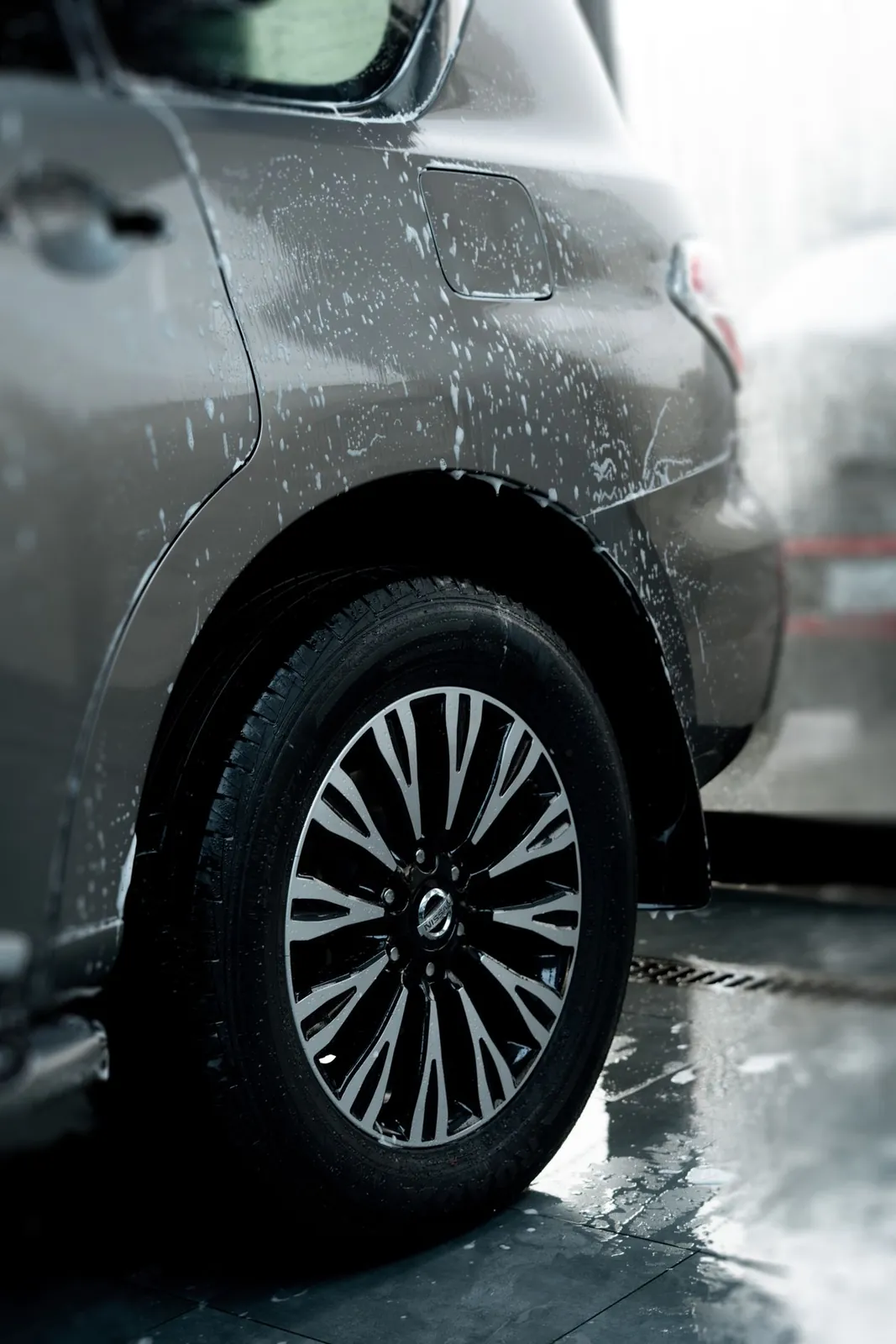
Wheels and tires are the dirtiest part of the car and the most skipped - yet they decide whether a "clean" car actually looks detailed. Wheels collect brake dust, a hot, corrosive mix of metal particles and pad material that bonds to the finish and, left alone, pits and stains it permanently. A proper wheel detail uses dedicated cleaners, brushes that reach the barrel and behind the spokes, and protection afterward; tires are scrubbed clean before dressing, so the finish is satin and even instead of greasy and slinging. It takes real time, which is exactly why quick washes fake it.
Key Takeaways
- Brake dust is hot, metallic and corrosive - chemistry removes it
- Wheels first in the sequence, barrels and lugs included
- Dressing goes on a scrubbed sidewall: satin, never slime
- A dedicated wheel mitt at home prevents the bonding cycle
Brake dust: the corrosive load
Every stop sheds brake material: iron particles from the rotors and friction dust from the pads, landing hot on the wheel finish where they bond and begin to oxidize. The result, familiar on every Charleston commuter, is wheels that go from silver to bronze to black in a gradient no wash fully reverses - because a wash mitt cannot reach the barrel, the lug recesses or behind the spokes, and ordinary soap cannot dissolve bonded iron. Dedicated wheel cleaners (and iron removers, which chemically dissolve the particles - the purple bleed owners find so satisfying) exist precisely because this is a chemistry problem, not a scrubbing problem.
The professional wheel process
Wheels are cleaned first in our exterior sequence, before the paint, so their grit never travels. Each wheel gets: a rinse, dedicated cleaner with dwell time, agitation with barrel brushes, spoke brushes and a lug brush, a treated-water rinse, and a check under light. Tire sidewalls are scrubbed with a stiff brush and degreaser until the rinse runs clean - the brown bloom that emerges is old dressing and road film leaving. Only then is dressing applied, thin and even, and given time to set so it does not sling down your freshly detailed doors. Wheel faces can take sealant for easier future cleaning, an upgrade worth having on dust-heavy German brakes.
Tire dressing: satin, not slime
The greasy, dripping tire shine of cheap washes is a tell: dressing slathered over a dirty sidewall, which then slings onto the paint and attracts dust into a gray film within days. Done right, the sidewall is cleaned first - most of the "worn tire" look is actually embedded grime - and a quality water-based dressing is applied sparingly for a deep satin black that looks like new rubber. The difference is visible from twenty feet and it is one of the clearest quality markers between a detail and a wash. It is also functional: clean, conditioned sidewalls resist the cracking that Lowcountry sun and ozone work on neglected tires.
The owner’s between-detail routine
Wheels are the one area where a little home effort pays disproportionately: a dedicated wheel mitt or brush (never the paint mitt - brake grit must not cross over) during your regular wash keeps dust from bonding between details. Rinse wheels after beach drives; salt plus brake dust is the corrosive cocktail. If your car is a heavy dust producer, tell us - we can seal the wheel faces during your detail, which turns future cleaning into a rinse-and-wipe. And when wheels have gone a year or more un-detailed, expect the first session to be restoration work: bonded dust that has pitted the finish improves dramatically but may not vanish entirely.
This guide is part of our exterior detailing series. If your car is due, we bring this exact process to your driveway anywhere in our service areas - including James Island - with published package prices and a walk-around before we leave.
One last Charleston note: exterior damage in James Island is almost never an event - it is an accumulation. Salt films, pollen crusts and sap spots each add a layer, and the paint declines quietly until a wash stops making it look clean. That is the signal this guide is about: when washing stops working, decontamination and protection are due. Booked on rhythm, an exterior detail keeps every layer thin and removable; booked late, the same work becomes restoration. The rinse habits in this guide carry the weeks between.
Keep Reading
Related guides & the service

FAQs
Questions This Guide Answers
Why do my wheels never look clean after a wash?
Because the bonded iron fraction needs dedicated cleaner and brushes that reach the barrel - a mitt and soap address the loose fraction only. It is the most common "wash vs detail" difference on the whole car.
Is the purple iron remover safe for my wheels?
Quality iron removers are pH-balanced and safe for factory finishes when used as directed. It is standard professional chemistry in our process; damaged or refinished wheels get a gentler approach, assessed on sight.
Can pitted, stained wheels be saved?
Usually improved dramatically: decontamination, careful polishing where the finish allows, and protection. Deep pitting from years of baked dust may remain visible up close - we will show you the honest expectation at inspection.
Ready when you are
Tell us the car and where it will be - we’ll confirm your slot and bring everything with us, water and power included.